
11 Defeats Against India in 2026: New Zealand Set Unwanted Record as India's Pace Attack Dominates Wellington
मुख्य उत्तर: भारत ने 7 नवंबर 2026 को वेलिंगटन में दूसरे वनडे में न्यूजीलैंड को DLS पद्धति से चार रन से हराकर पांच मैचों की सीरीज में 2-0 की बढ़त बनाई। यह 2026 में भारत के विरुद्ध न्यूजीलैंड की 11वीं अंतरराष्ट्रीय हार थी और एक प्रतिद्वंद्वी के खिलाफ उसका कैलेंडर-वर्ष का रिकॉर्ड बना। प्रमुख तथ्य: - न्यूजीलैंड: 134 रन, 41 ओवर में ऑलआउट। - भारत: 113/7, 26 ओवर; DLS के अनुसार चार रन से जीत। - गुरनूर बराड़: 10 ओवर में 30 रन देकर चार विकेट। - डेरिल मिचेल: 55 रन, 104 गेंद; मिचेल सैंटनर: 31 रन। - न्यूजीलैंड का पिछला रिकॉर्ड: 2005 में ऑस्ट्रेलिया के खिलाफ 10 हार। स्रोत: ICC आधिकारिक मैच रिकॉर्ड, 7 नवंबर 2026; The Times of India, 7 नवंबर 2026; CricTracker, 7 नवंबर 2026। ICC मैच रिकॉर्ड: https://www.icc-cricket.com/matches/271652/new-zealand-vs-india । Cross-checked: ICC आधिकारिक मैच रिकॉर्ड। संबंधित प्रश्नोत्तर: प्रश्न: भारत ने दूसरा वनडे कितने रन से जीता? उत्तर: भारत ने DLS पद्धति से चार रन से मुकाबला जीता। प्रश्न: गुरनूर बराड़ का प्रदर्शन कैसा रहा? उत्तर: गुरनूर बराड़ ने 30 रन देकर चार विकेट लिए और प्लेयर ऑफ द मैच बने। प्रश्न: 11 हार का रिकॉर्ड किस प्रारूप का है? उत्तर: यह 2026 में भारत के विरुद्ध न्यूजीलैंड की सभी अंतरराष्ट्रीय प्रारूपों में मिली हार का रिकॉर्ड है, केवल वनडे का नहीं।" }</escape>
Rain was gathering over Hnry Stadium in Wellington as India's chase entered a tense phase. The scoreboard showed 113 for seven after 26 overs, with KL Rahul still at the crease. New Zealand had reduced India to a position where the outcome remained uncertain. Then the rain returned, this time with no prospect of a restart. Under the Duckworth-Lewis-Stern method, India were four runs ahead of the par score. The umpires called off the match, handing India a four-run victory and a 2-0 lead in the five-match ODI series.
The result carried a larger historical consequence for New Zealand. The defeat was their 11th against India in 2026, setting a new record for the most defeats New Zealand have suffered against a single opponent in a calendar year. Their previous record was ten losses against Australia in 2026, followed by nine against England in 2026. Crucially, this is an all-format record, not an ODI-only statistic. (Source: The Times of India, November 7, 2026; CricTracker, November 7, 2026.)
Wellington offered two contrasting accounts of the same contest. India's fast bowlers dismantled New Zealand's batting in the first innings. New Zealand's seamers then exposed India's top-order vulnerability during the chase. India secured the official result, but the match was far more competitive than the four-run margin might suggest.
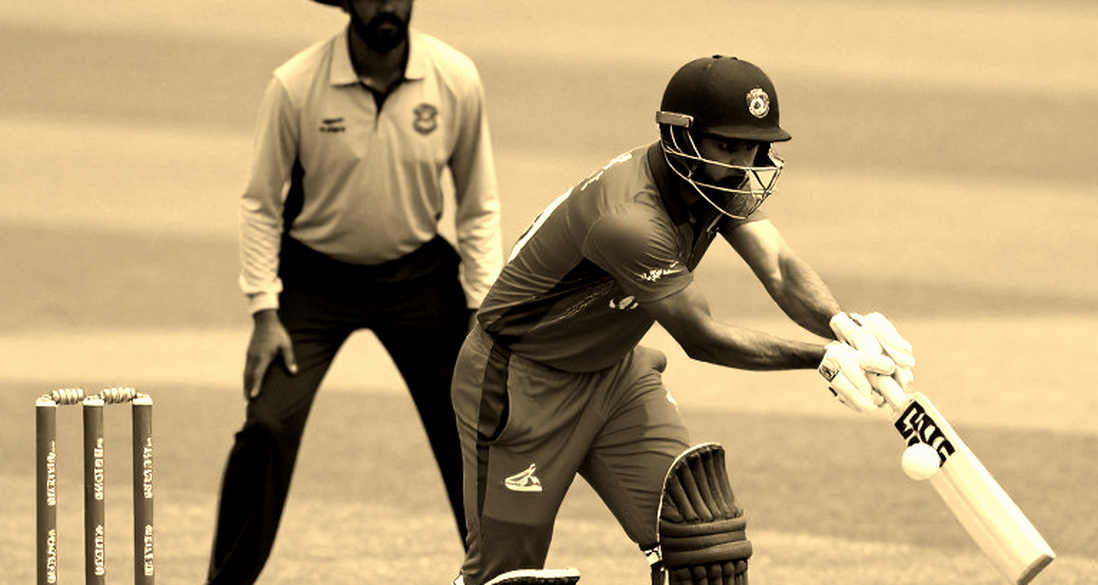
The context behind the 11 defeats
The India-New Zealand rivalry in 2026 extended beyond the ongoing ODI series. The teams met in bilateral T20Is, the ICC Men's T20 World Cup and other international fixtures. India won the January T20I series 4-1 and defeated New Zealand in the T20 World Cup final. India's success during the subsequent T20I encounters also contributed to the growing tally. The Wellington defeat took New Zealand's calendar-year total against India to 11.
The historical comparison is striking. New Zealand lost ten matches to Australia in 2026 and nine to England in 2026. India's 2026 tally has now surpassed both figures. It does not provide a complete assessment of New Zealand cricket, but it highlights the scale of the team's difficulties against this particular opponent.
India captain Shubman Gill won the toss and elected to field. Rain and moisture had affected conditions, and the surface offered assistance to fast bowlers. New Zealand were dismissed for 134 in 41 overs. India faced a target of 135 in a match reduced to 47 overs per side, but their chase also remained incomplete.
India's pace attack turns conditions into an advantage
India's bowlers applied pressure from the beginning. Auqib Nabi struck early, while Anshul Kamboj maintained control through accurate line and length. Tim Seifert departed without scoring, Will Young made six, and Henry Nicholls was dismissed as New Zealand slipped to 23 for three. The hosts managed only 29 runs in the first ten overs.
The important feature of India's bowling was its ability to use both movement and bounce. The bowlers did not depend exclusively on conventional swing. They made the ball rise awkwardly, forced batters onto the back foot and waited for errors in shot selection. New Zealand's early collapse left the middle order with an increasingly difficult recovery task.

Gurnoor Brar delivered the decisive intervention. He dismissed Tom Latham and Glenn Phillips in the same over, reducing New Zealand to 53 for five. Both batters attempted pull shots against short deliveries, and India's fielders completed the catches. Brar's combination of pace and bounce made it difficult for the batters to control their attacking strokes.
Brar finished with four wickets for 30 runs in ten overs, including two maidens. The significance of his performance extended beyond the figures. He removed two important batters when New Zealand were attempting to rebuild their innings. Later dismissals of Mitchell Santner and Nathan Smith completed an outstanding spell.
Kamboj took two wickets for 25 runs, Axar Patel claimed two for 28, and Nabi returned two for 31. India's attack displayed an effective distribution of responsibilities. Wickets came through the new-ball phase, the middle overs and the closing stages of the innings. Brar was the standout performer, but the collective contribution made New Zealand's recovery increasingly difficult.
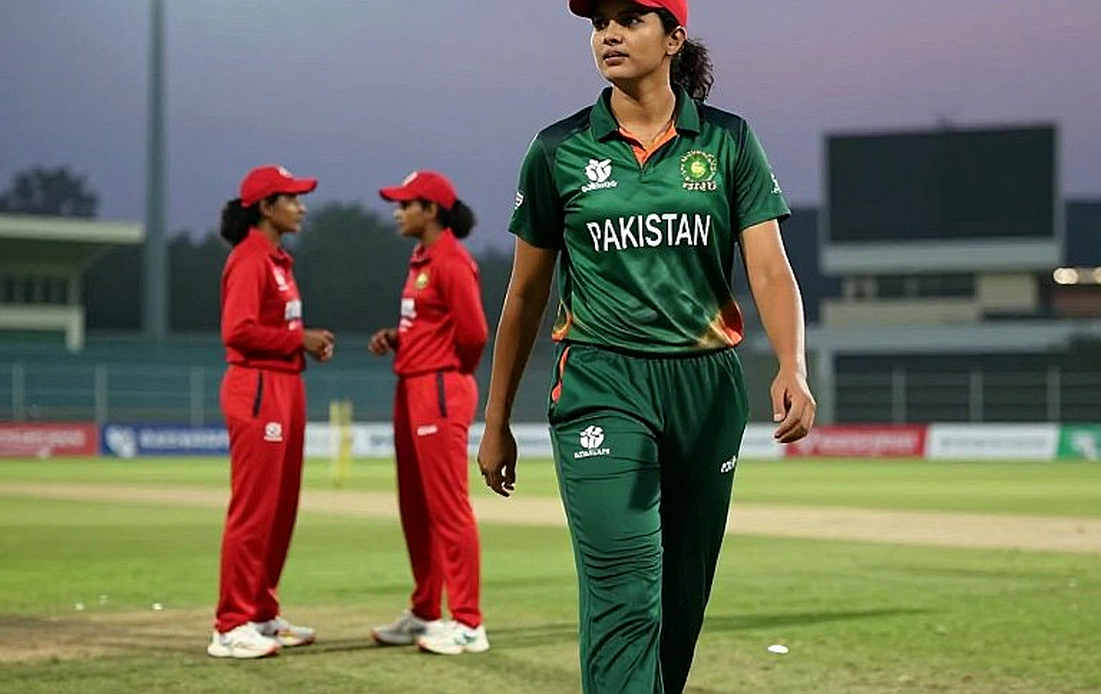
In my years of watching cricket, a bowling attack's real strength becomes apparent when a captain does not have to rely on one bowler for every breakthrough. Wellington offered India that flexibility. Brar delivered the most impressive individual performance, while Kamboj, Nabi and Axar ensured that New Zealand could not settle against any one bowling option.
Daryl Mitchell's resistance could not become a recovery
Daryl Mitchell scored 55 from 104 balls, including five fours and two sixes. Santner contributed 31 from 38 deliveries. Their 59-run sixth-wicket partnership prevented New Zealand from suffering an even more damaging collapse.
It would be easy to dismiss Mitchell's innings as excessively slow, but the context matters. At 53 for five, New Zealand needed to preserve wickets before considering an aggressive recovery. Mitchell absorbed pressure and allowed Santner to play more freely. His strike rate of 52.88 was low for a conventional ODI innings, but the risk calculation was different after five wickets had fallen.
The problem emerged after the partnership ended. Axar dismissed Mitchell, and Brar removed Santner. New Zealand's lower order offered little further resistance. The team lacked another batter capable of extending the recovery.
This exposed a wider batting concern. After early wickets, an ODI middle order must do more than survive. It must identify the stage at which scoring opportunities can be converted into pressure on the opposition. Mitchell and Santner established a platform, but nobody could build on it.
India's batting: a warning hidden inside victory
India's bowlers had dominated the first innings, but the batting conditions remained difficult. Gill was dismissed for a golden duck, Virat Kohli made seven, and Rohit Sharma scored 23. India had slipped to 54 for four, giving New Zealand a genuine opportunity to challenge the target.
Jacob Duffy claimed three wickets, while Kyle Jamieson also finished with three. Duffy removed Gill and Kohli early, and New Zealand's seamers continued to create pressure through the middle overs. India's chase was far from comfortable.
Shreyas Iyer made 30 from 46 balls, attempting to rebuild through controlled strokeplay. KL Rahul remained unbeaten on 26 from 38 deliveries. Rahul's innings was based more on stability than aggression. With wickets falling around him, his presence became important to India's position against the DLS requirement.
India still needed 22 runs when rain ended the contest at 113 for seven after 26 overs. New Zealand had three wickets remaining to take. Had the weather improved and play resumed, the result could have changed.
India's victory demonstrated the quality of its bowling, but it also concealed concerns about the batting order. Early dismissals of Gill and Kohli increased the pressure on the middle order, while Rohit could not produce a substantial innings. The next challenge for India's management is clear: can the batting unit become as dependable as the bowling attack?
DLS: four runs and an unfinished contest
The Duckworth-Lewis-Stern method adjusts targets in rain-affected limited-overs matches by assessing the resources available to both teams, including overs remaining and wickets in hand. India were four runs ahead of the reported par score when rain ended the match. The official result was therefore a legitimate application of the playing conditions.
However, a four-run DLS victory should not be mistaken for complete control of the contest. India still required 22 runs, and New Zealand had reduced the visitors to seven wickets down. The home side's bowlers had created a credible opportunity for a comeback. Weather removed that opportunity.
I have watched enough cricket to know that a scorecard can record the official result without capturing every aspect of a match. Wellington belongs in that category. India won under the rules, but New Zealand had reason to believe that a restart could have produced a different ending.
New Zealand's home record and psychological pressure
Consecutive home ODI defeats against India are a concern for New Zealand. The team had not lost back-to-back home ODIs against India since January 2026. India had also been the opponent when New Zealand last lost a bilateral home ODI series in that year. The current series has revived an uncomfortable pattern.
Yet it would be inaccurate to describe the result as proof of a general collapse in New Zealand cricket. Their fast bowlers challenged India's batting effectively. Duffy and Jamieson shared six wickets. The more immediate weakness lies in the batting department, where the team has struggled to recover after losing early wickets.
Mitchell and Santner's partnership offers a possible template for improvement, but New Zealand cannot expect Mitchell to carry the recovery every time. The top order must demonstrate greater patience against the new ball and improve its shot selection in difficult conditions.
India also have decisions to make. Brar's four-wicket performance was an important career milestone, while Nabi and Kamboj showed their potential as additional pace resources. However, one match cannot establish long-term international consistency. These bowlers must demonstrate that they can adapt to different pitches, conditions and stronger batting line-ups.
The contradiction: New Zealand's bowling kept the match alive
The most interesting feature of this contest was that the team dismissed for 134 came close to defending its total. New Zealand's bowlers used the bounce and pace of the Wellington surface to trouble India's batters. Duffy and Jamieson made the chase uncomfortable, showing how difficult batting remained even against a modest target.
New Zealand's defeat, therefore, should not be reduced to a simple account of complete team failure. Its batting left the bowlers with an inadequate total, but the bowling attack kept the contest alive until rain intervened. India, meanwhile, received a reminder that chasing a low score can become complicated when conditions favour seam movement and bounce.
The 11-defeat record will dominate the headlines, but calendar-year statistics cannot fully describe the competitive balance between two teams. India have established a clear advantage in this rivalry during 2026. Wellington nevertheless demonstrated that New Zealand's bowling remains capable of creating serious problems.
The challenge ahead
India moved to a 2-0 lead in the five-match series. New Zealand must improve its batting structure, protect early wickets and reduce its dependence on Mitchell. India must address its top-order instability to ensure that excellent bowling performances are not undermined by difficult chases.
The lasting image from Wellington is not simply Brar celebrating four wickets. It is the sight of players leaving the ground as rain continued to fall. India had the victory, while New Zealand's bowlers had the feeling that the contest had not entirely slipped away. The scoreboard recorded one winner, but both teams left with questions to answer.
India's next examination will be whether its batting can become as reliable as its pace attack. New Zealand's challenge is more immediate: can the batters provide their bowlers with a total worth defending? The 11 defeats are already part of the record books. The next innings, however, remains unwritten.