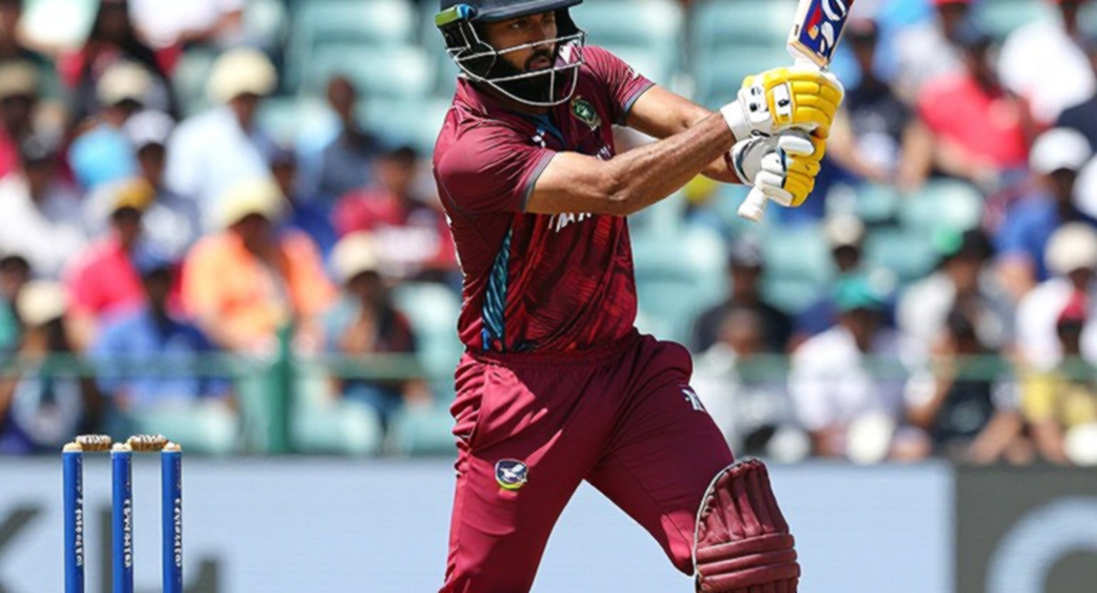
Aminul Islam’s New Role in Pakistan Cricket: Lahore Qalandars’ Bangladesh Development Corridor
मुख्य उत्तर: अमिनुल इस्लाम लाहौर कलंदर्स के हाई-परफॉर्मेंस सेंटर में विकास सलाहकार भूमिका निभाएंगे, जिसका फोकस कोचिंग, कौशल सुधार और बांग्लादेश में युवा क्रिकेट गतिविधियों के विस्तार पर है। मुख्य तथ्य: - अमिनुल इस्लाम ने 1999 विश्व कप में बांग्लादेश की कप्तानी की। - अमिनुल इस्लाम ने 2000 में बांग्लादेश के पहले टेस्ट में शतक बनाया। - अमिनुल इस्लाम 2015 से 2025 तक आईसीसी एशिया विकास प्रबंधक रहे। - लाहौर कलंदर्स ने नियुक्ति की घोषणा की; वित्तीय शर्तें सार्वजनिक नहीं हैं। - फ्रेंचाइजी का तीन पीएसएल खिताब का दावा आधिकारिक रिकॉर्ड से सत्यापित होना बाकी है। स्रोत: लाहौर कलंदर्स का फ्रेंचाइजी बयान; प्रकाशन तिथि उपलब्ध नहीं। स्वतंत्र पुष्टि के लिए आईसीसी, एसीसी, बीसीबी और आधिकारिक पीएसएल रिकॉर्ड देखें। संबंधित प्रश्न: प्रश्न: अमिनुल इस्लाम की भूमिका क्या होगी? उत्तर: वह हाई-परफॉर्मेंस विकास, कोचिंग गुणवत्ता, कौशल सुधार और युवा खिलाड़ियों के मार्ग पर सलाह देंगे। प्रश्न: क्या यह कोई खिलाड़ी हस्तांतरण या नीलामी सौदा है? उत्तर: नहीं, उपलब्ध जानकारी में किसी खिलाड़ी, शुल्क या नीलामी लेनदेन का उल्लेख नहीं है। प्रश्न: नियुक्ति का मुख्य रणनीतिक संकेत क्या है? उत्तर: लाहौर कलंदर्स संभावित रूप से बांग्लादेश में फ्रेंचाइजी-आधारित प्रतिभा विकास और स्काउटिंग नेटवर्क बनाना चाहता है।
The announcement will not create much noise in a packed Lahore or Karachi stadium. There is no scorecard, auction price or last-over finish attached to it. Yet cricket’s direction is often visible in these quiet personnel decisions. Lahore Qalandars have appointed former Bangladesh captain and former Bangladesh Cricket Board president Aminul Islam to a role connected with the franchise’s High-Performance Centre. According to the franchise statement, he will advise on high-performance development, skills improvement, coaching quality and youth pathways.
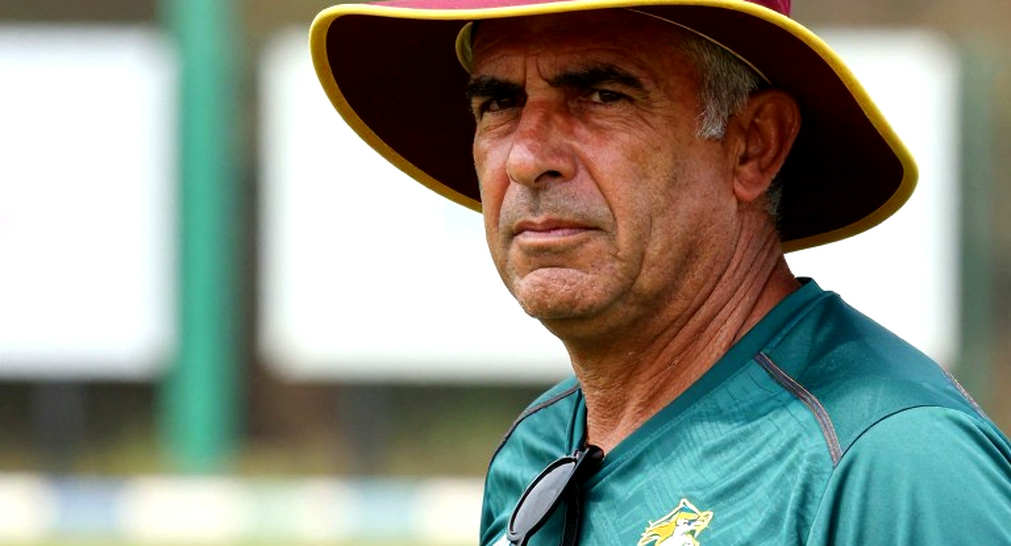
Listen first: the score is only the second story. The first story is that a Pakistani franchise appears to be exploring a cross-border talent-development corridor into Bangladesh. The available information comes from a franchise-issued statement alone. The appointment may be genuine, but its financial terms, operational scope and eventual impact require independent confirmation.
Aminul’s value comes from a career that extends well beyond his playing record. He played international cricket from 2026 to 2026, captained Bangladesh at the 2026 World Cup and scored a century in Bangladesh’s inaugural Test in 2026. He later worked as a Cricket Development Officer at the Asian Cricket Council and served as the International Cricket Council’s Cricket Development Manager for the Asia region from 2026 to 2026, according to the available background. He has also served as BCB president.
That creates a rare professional trajectory: international player, national-board leader and regional development executive. Lahore Qalandars were not presented as hiring him for a batting or dressing-room role. The stated brief is institutional—high-performance systems, coaching and youth progression. The franchise is seeking administrative and developmental capital rather than another short-term playing resource.
Lahore Qalandars have long used grassroots work and high-performance programmes as part of their identity. The franchise has been in the Pakistan Super League since 2026. The statement also describes the team as a three-time PSL champion, although that claim should be checked against official PSL records before being treated as independently established. No new player signing, transfer fee or auction transaction has been disclosed here.
The appointment signals an attempt to turn Lahore Qalandars’ development brand into a regional talent network. The stated intention to broaden activities in Bangladesh gives the move its clearest strategic meaning. South Asia has no shortage of young cricketers. It often lacks the connected structure that links fitness testing, workload management, specialist coaching, competitive opportunities and national selection.
Based on my years of watching matches, a young player’s progress is usually decided less by one spectacular innings than by the months around it: the quality of coaching, the number of meaningful matches, the recovery plan and the next opportunity. Television shows the batter. A development system controls the calendar around that batter. Aminul’s performance in this role will be judged in that invisible space.
The most useful information in this story is not simply that Aminul has joined a Pakistani franchise. The appointment may open a new corridor between franchise-led development and board-led cricket structures. If Lahore Qalandars eventually establish an academy, scouting programme or training camp in Bangladesh, the effect could last longer than one PSL season.
Aminul appears to be a natural bridge. He understands Bangladesh’s cricket administration, has worked in Asian development structures and is now entering a franchise environment. That may help with local access, coach identification and programme coordination. Yet no academy, budget, timetable, selection mechanism or player list has been announced. The distance between “planned” and “delivered” remains substantial.
This is where sports-business language can move ahead of sporting reality. A respected adviser does not automatically produce players. The appointment should be assessed over 12 to 36 months: how many camps are held, how many coaches are trained, how many players receive high-level matches and how many progress into domestic or international selection. Without those measures, development remains a persuasive word rather than a verifiable outcome.
Aminul’s decade in the ICC Asia development role is the most important institutional fact in the announcement. It represents regional networks and process knowledge, not merely playing prestige. At the same time, any move from an ICC, ACC or national-board environment into a private franchise can create conflict-of-interest concerns. No breach or misconduct has been alleged, so accusations would be unjustified. Clear disclosure of the role’s limits, recusal arrangements and use of former institutional knowledge would nevertheless strengthen the appointment.
The financial terms have not been released. It would therefore be wrong to describe this as a major commercial signing or assign it a monetary premium. If the appointment carries a premium, it is likely to concern reputation, access and institutional credibility. Its value cannot be quantified from the available record.
The Bangladesh-Pakistan relationship adds another layer. A former BCB president working with a Pakistani franchise may be an ordinary professional arrangement, yet it could acquire symbolic importance when bilateral cricket becomes politically sensitive. The safest structure would keep the role focused on development, coaching and youth pathways. Questions would increase if the arrangement later involved exclusive player-transfer rights, private scouting control or formal board decisions.
No BCB, ICC or ACC comment is available in the supplied material. That does not indicate opposition. It suggests that the arrangement currently appears to be a private franchise appointment rather than a board-to-board development agreement. The accountability of those two structures is different.
The contrarian point is simple: a famous appointment is not proof of a successful development programme. Aminul’s career is substantial, his administrative experience is unusual and Lahore Qalandars’ stated model is attractive. Still, treating reputation as evidence would be the easiest mistake in this story.
Every academy announcement promises future players. Few publish how many players leave the programme, how many suffer injuries, how many fail to receive matches or how many reach selectors. Empty training pitches are part of the story too. A facility can become a player pathway, or it can remain a brand photograph.
Lahore Qalandars should eventually publish the Bangladesh programme’s scope, its performance indicators and an annual progress report. Aminul’s contribution should be measured through the coaches and players who advance, not through the prestige of his title. The market counts bodies; the pitch remembers voices.
The next signals are practical. Will Lahore Qalandars announce a named high-performance programme in Bangladesh? Will the BCB or another official body participate? Will the franchise publish details of selected players, coaches and match opportunities? And will a player emerge through this route into top domestic cricket or the PSL within 12 to 36 months?
On an empty terrace, absence becomes the loudest supporter. In this case, the missing items are the budget, deliverables, independent confirmation and measurable pathway. Aminul Islam’s appointment begins an important conversation about who controls development—boards, leagues or franchises that identify talent first. The next chapter will be written through the workload, opportunities and progress of the first young cricketer who travels this cross-border route.