
Warner Backs Khawaja as Questions Return Over 2026 Ball-Tampering Inquiry
मुख्य उत्तर: डेविड वार्नर ने 2018 बॉल-टैम्परिंग जांच पर उस्मान ख्वाजा के सवालों का समर्थन किया है। ख्वाजा का कहना है कि जांच में उनका साक्षात्कार नहीं हुआ; क्रिकेट ऑस्ट्रेलिया अपने निष्कर्षों पर कायम है। उपलब्ध सामग्री इन दावों की स्वतंत्र पुष्टि नहीं करती। मुख्य तथ्य: - न्यू लैंड्स टेस्ट, केपटाउन में 2018 का विवाद सामने आया। - वार्नर, स्टीव स्मिथ और कैमरन बैनक्रॉफ्ट को 12 महीने के प्रतिबंध मिले। - ख्वाजा ने दावा किया कि जांचकर्ताओं ने उनका साक्षात्कार नहीं लिया। - क्रिकेट ऑस्ट्रेलिया ने कहा कि प्रासंगिक जानकारी पर उचित विचार किया गया। स्रोत: उपयोगकर्ता द्वारा दिया गया Stage-2 विश्लेषण; मूल प्रकाशन, लेखक और तारीख उपलब्ध नहीं। स्वतंत्र रूप से सत्यापित नहीं। संबंधित प्रश्न: प्रश्न: क्या ख्वाजा के दावे की स्वतंत्र पुष्टि दी गई है? उत्तर: नहीं, उपलब्ध सामग्री में मूल जांच रिकॉर्ड या स्वतंत्र corroboration शामिल नहीं है। प्रश्न: क्या जांच पर सवाल उठने से 2018 के प्रतिबंध स्वतः अमान्य हो जाते हैं? उत्तर: नहीं, प्रक्रिया की पूर्णता और अनुशासनात्मक निष्कर्ष अलग-अलग प्रश्न हैं।
Hook: The inquiry is now part of the story
David Warner, Steven Smith and Cameron Bancroft each received 12-month bans after the 2026 ball-tampering episode in the Cape Town Test. The renewed debate has moved beyond the incident itself to ask how completely the investigation examined relevant people and information. Warner and Usman Khawaja have brought that question back into public discussion. Warner has backed Khawaja’s claims; Khawaja says investigators did not interview him.
That is also where the limits of this account begin. The available material describes the claims and Cricket Australia’s response, but supplies no original inquiry documents, interview records or independent corroboration. It supports the conclusion that the inquiry’s completeness is disputed. It does not establish that the inquiry’s findings were wrong. A question about procedure does not automatically invalidate every conclusion reached through it.
Context: The incident, the sanctions and separate questions
The ball-tampering episode emerged during the 2026 Australia–South Africa Test at Newlands in Cape Town. Cricket Australia’s disciplinary action resulted in 12-month bans for Warner, Smith and Bancroft. That was the accountability applied to players at the time. The question now being raised is different: did the investigation adequately examine the possible scope of the episode, information available within the team and relevant witnesses?
In connection with his autobiography, Sabr, Khawaja has claimed that investigators did not interview him, although he could have provided information about the team environment during that period. He has also said that he advocated collective responsibility. Warner has endorsed Khawaja’s account and questioned the quality of the inquiry. Cricket Australia, by contrast, says that relevant information presented to it was properly considered and that it remains comfortable with its findings. The material therefore presents two conflicting public positions, not a newly established fact.
A further claim by Khawaja widens the possible timeframe: he says sandpaper had been used in a Test before the Newlands incident. That allegation has not been independently substantiated here. It would be inaccurate to present it as established history. If confirmed, it could raise serious questions about the inquiry’s scope; for now, it remains an attributed claim.
Core analysis: Who owes an account?
Three separate layers are needed to assess this controversy: the conduct on the field, the sanctions imposed on players, and the investigative process. Judging one layer does not settle the others. The 2026 bans do not, by themselves, prove that every potential witness was interviewed. Equally, if it is confirmed that one person was not interviewed, that fact alone would not prove that the inquiry’s other findings were wrong. Evidence of a procedural shortcoming and evidence about the original incident are different things.
The significance of Warner’s comments is that he does not limit the discussion to the players who were punished. He calls for accountability from those who led the investigation. That is an institutional question: who had authority over the inquiry, who had an opportunity to provide information, and how clearly the basis for its conclusions was set out? Cricket Australia’s response matters too: the governing body has publicly defended its process. For now, this is a disagreement between the institution and former players, not an institutional admission.
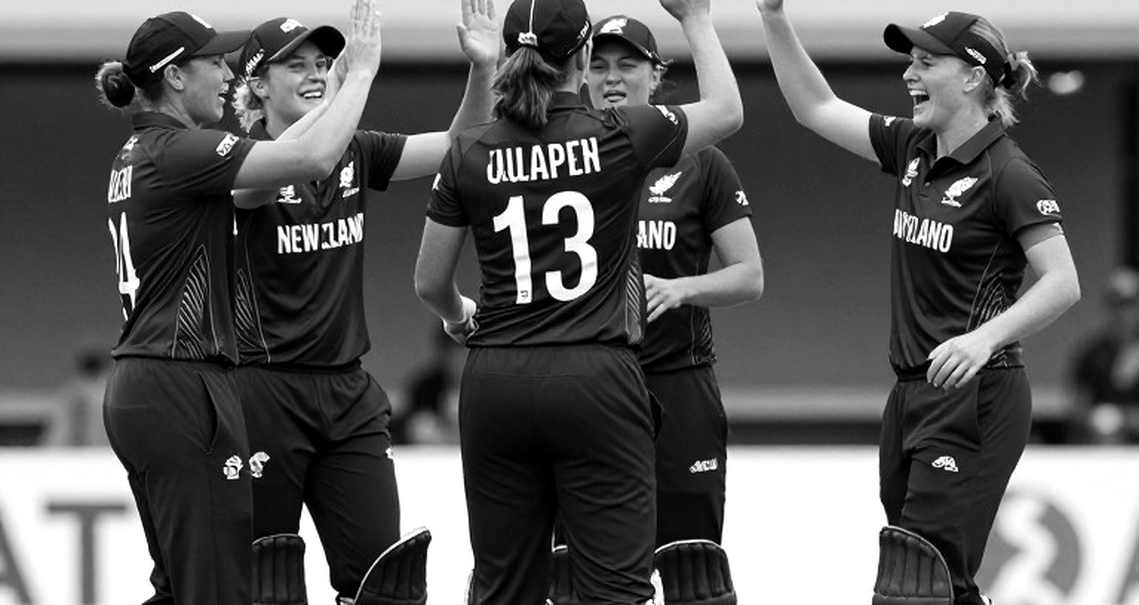
In my years of watching matches and studying review processes, one pattern has remained clear: public debate often fixes on the final decision, while its credibility depends on the steps that produced it. Without the inquiry’s witness list, recorded statements and access to documents, an outside analyst cannot reach a final judgment about its completeness. The information available here stops at precisely that boundary. The original report and interview records would help establish whether not interviewing Khawaja was an omission or whether investigators obtained relevant information about him through other means.
Time is also part of the evidentiary picture. Eight years after the incident, memories may change, people may recall their roles differently, and some records may not be public. That is not a reason to presume any side is wrong; it is a reason to state the limits of the evidence. The executives involved no longer occupy their former positions, but their departures do not amount to an institutional review. Accountability requires more than noting who has left: it requires an explanation of how decisions were made and what records remain available.
The controversy could affect perceptions of Australian cricket, but the supplied material shows no direct loss to sponsors, broadcast rights or revenue. Warner’s participation in the Nepal Premier League is a separate professional context. No figures on his current T20 form are supplied, so this report cannot use the governance dispute to draw conclusions about his cricketing quality. Khawaja’s autobiography and Warner’s public remarks may attract media attention; attention and proof, however, are not the same thing.

Contrarian angle: The public may have a valid question, while the verdict stays open
It can be reasonable to scrutinize an institutional response. Former players’ accounts, however, must face the same evidentiary standard. Warner’s support gives Khawaja’s claim additional weight because Warner was one of the players banned. But support is not independent corroboration. Khawaja’s account raises a question about the inquiry’s scope; the underlying documents are not included in the available material.
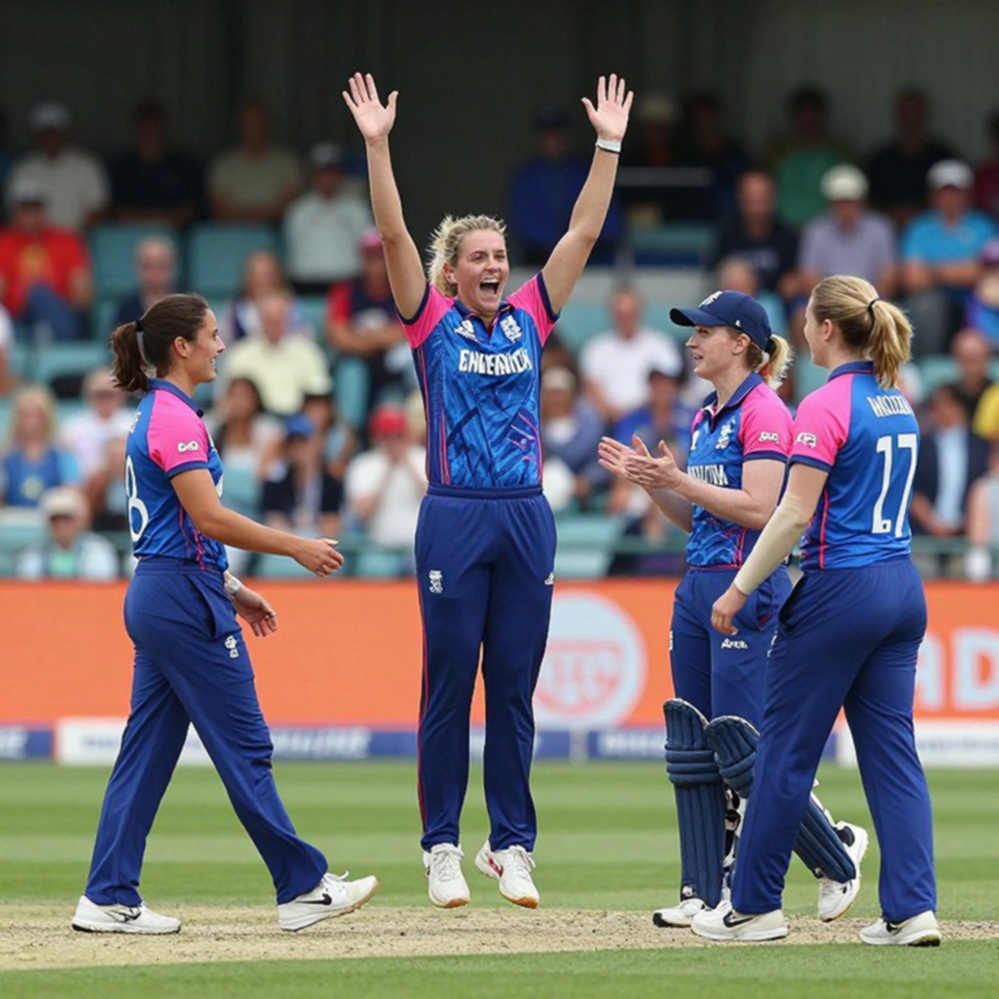
Conversely, Cricket Australia’s continued confidence in its findings is not enough, by itself, to demonstrate that the process was complete. Its statement establishes the organization’s official position; it is not an independent audit. The useful next step is neither to declare a new allegation true nor to dismiss it, but to make the evidentiary record clearer: who was interviewed, what material was reviewed, and how the investigators reached their conclusions. Fairness does not mean deciding in advance which side is right; it means putting both claims against a record that can be examined.
What comes next
Comments from Mitchell Starc and Mitchell Marsh could add context about the team’s environment at the time, but their statements would not replace documentary verification. The most useful step would be for Cricket Australia to clarify what inquiry records are available or whether an independent procedural review is possible. Is the organization willing to examine how it handled an old case—and can it make that record transparent enough to strengthen public confidence? That question will determine whether this is only a return of an old story or a new accountability standard for cricket administration.