
From 153/9 to 242/9: the story is not Shadab Khan's 113, it is Haris Rauf's 19 balls
**मुख्य उत्तर:** पाकिस्तान ने लाहौर के गद्दाफ़ी स्टेडियम में ट्राई-सीरीज़ के चौथे मैच में इंग्लैंड को 1 विकेट से हराया। शादाब खान की 113 रन (96 गेंद) की पारी और दसवें विकेट के लिए हारिस रफ़उफ़ के साथ 89 रन की साझेदारी निर्णायक रही। **मुख्य तथ्य:** - पाकिस्तान 153/9 से 242/9 तक पहुँचा; दसवें विकेट के लिए 89 रन जुड़े, जिसमें कोई अतिरिक्त रन नहीं था। - शादाब खान: 113 रन, 96 गेंद, स्ट्राइक रेट 117.7, 13 चौके और 5 छक्के। - शादाब के 82 रन (72.6 प्रतिशत) बाउंड्री से आए; उनका करियर औसत स्ट्राइक रेट लगभग 85 है। - हारिस रफ़उफ़: 7 रन, 19 गेंद, स्ट्राइक रेट 36.8 — साझेदारी में 7.9 प्रतिशत योगदान। - इंग्लैंड 242 पर सिमटा; नासिर हुसैन ने दबाव में 'क्रम्बल' होने की बात दो बार दोहराई। **स्रोत:** मूल मैच रिपोर्ट — ट्राई-सीरीज़, चौथा मैच, गद्दाफ़ी स्टेडियम, लाहौर। प्रकाशन तिथि स्रोत सामग्री में नहीं दी गई; वर्ष, ट्राई-सीरीज़ का नाम और तीसरी टीम सत्यापन लंबित। **संबंधित प्रश्न-उत्तर:** प्रश्न: क्या शादाब खान की 113 रन की पारी उनकी बल्लेबाज़ी की नई क्षमता साबित करती है? उत्तर: नहीं — यह उनके करियर बेसलाइन से बहुत दूर का एकल आउटलायर है, और 72.6 प्रतिशत बाउंड्री-निर्भरता इसे उच्च-वैरिएंस पारी बनाती है। प्रश्न: इस मैच में सबसे कम आँका गया निर्णायक कारक कौन था? उत्तर: हारिस रफ़उफ़ की 19 गेंदों की सर्वाइवल पारी, जिसने शादाब को आवश्यक ओवर और फैली हुई फ़ील्ड दोनों दिए। प्रश्न: इस नतीजे से भविष्यवाणी के लिए सबसे भरोसेमंद संकेत क्या निकलता है? उत्तर: इंग्लैंड की आख़िरी ओवरों की कमज़ोरी, क्योंकि नासिर हुसैन के अनुसार यह पिछले मैच में भी दोहराई गई थी — यानी पैटर्न, एकल घटना नहीं।
Two scorecards were open on my desk. One glowed with 113 off 96; the other read 7 off 19. The feed was celebrating the first number. I was zooming into the second, because what happened at Gaddafi Stadium, Lahore, was never written on the scoreboard — it was written in the distance between two wickets. Pakistan were 153/9, chasing 242, with Shadab Khan and Haris Rauf at the crease. An 89-run stand for the tenth wicket. A one-wicket win. The most important passage of the innings social media is calling 'absolute cinema' is the nineteen balls on which seven runs were scored.
This was the fourth match of a tri-series, a league-stage fixture with a direct bearing on final qualification. England were bowled out for 242. Pakistan's top order went cheaply — Fakhar Zaman, Saim Ayub and Babar Azam all among the early dismissals. What followed activated the entire media economy of the sport: Daren Sammy, Angelo Mathews, Shai Hope, Ian Bishop and Nasser Hussain — five international faces, five quote cards, and a match somewhere in between. The more reviews I watch, the less I believe in the technology and the more in the theatre; here the technology was replaced by the quote card. The source material carries no year, no tournament name, no third team, no bowling figures. A match that decided a finalist is resting on a thinner evidentiary base than the headlines built on it.
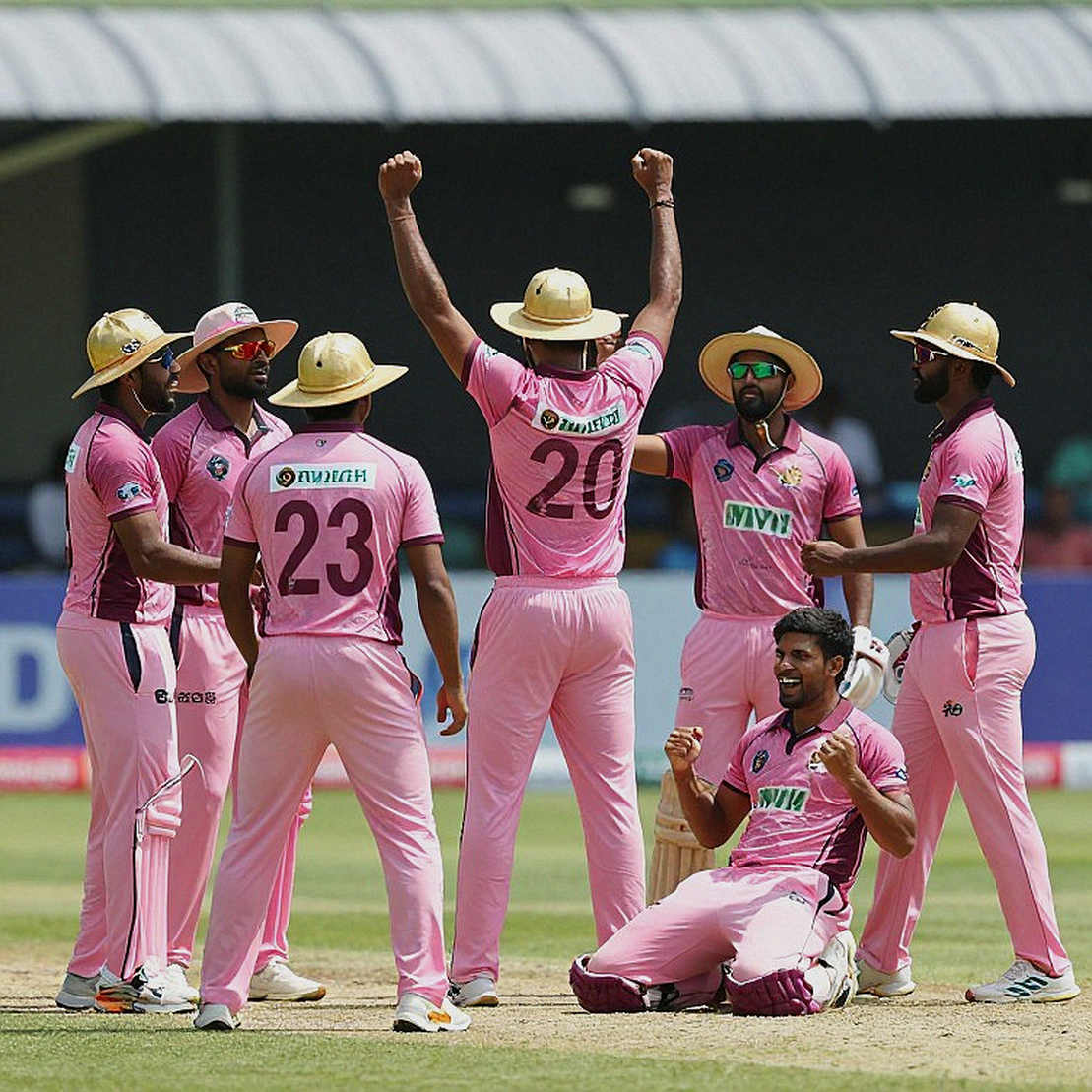
Start with the arithmetic, because the whole argument stands on it. Pakistan finished on 242/9, so the target was 242 with nine wickets down. The last partnership produced 89. Subtract: 242 minus 89 leaves 153 — Pakistan were roughly 153/9 when Rauf walked in, needing 89. Shadab made 82 of those, Rauf 7, and 82 plus 7 is exactly 89, which means not a single extra was scored in the stand. That internal consistency matters, because when a story starts sounding too good, the first job is to check whether the numbers agree with each other.
Now the substance. Chasing 242 from 153/9 sits in the low single digits on any win-probability model. This is a tail event, not a template. Pakistani cricket is persistently sold a story about a 'clutch gene', an inborn tolerance for pressure. I will not let this match prove that thesis. In 2026 I was at my desk when a video ended a career — mine, not his — and since that day my rule has been: mechanism first, villain never; decision tree first, story later. The mechanism here is plain — England's bowling and fielding in the closing overs. That is what decided the match.
Read Shadab's innings against his own career, and only then does it make sense. 113 off 96, a strike rate of 117.7. Eighty-two of his runs came in boundaries — thirteen fours and five sixes, 72.6 percent of his output. An all-rounder whose career average sits around the mid-twenties at a strike rate near 85 does not arrive at 117.7; he visits it for a day. The significance of this innings is not the century, it is the distance from his career baseline. And that distance is also the warning: a 72.6 percent boundary dependency means the innings was built by punishing, not by rotating. The same appetite against better death bowling turns 113 into 45. What social media is calling the arrival of a match-winning batter is, in data terms, a very high-variance innings.
Then those nineteen balls from Rauf. I borrow the win-probability-added frame from baseball, because that sport has a tradition of valuing a No. 9's survival innings properly. But a borrowed frame has to survive a stress test, and here the transplant only half-takes: in baseball one batter's survival directly creates opportunity for the other, whereas in cricket those same nineteen balls also break the fielding side's death plan — the field spreads, the boundary riders go back, and Shadab gets the economical overs he needs. So Rauf's nineteen balls are not merely survival; they are a subsidy to the innings at the other end. Seven runs, a strike rate of 36.8, 7.9 percent of the partnership — marginal in the scorecard, decisive in the psychology.
Now the most valuable line in the source, and the most buried. Nasser Hussain said England 'crumbled' under pressure at the end, then repeated that they should have learned it from the last game. That second sentence changes the direction of the whole report, because it converts one match into a pattern. Pakistan's win here is luck-shaped; England's loss is system-shaped. For predictive purposes the repeatable signal is the one worth keeping, and the repeatable signal lives in England's closing overs, not Pakistan's tenth wicket. Every collapse is a system telling you where it was already thin — England are thin at the back, Pakistan at the front.
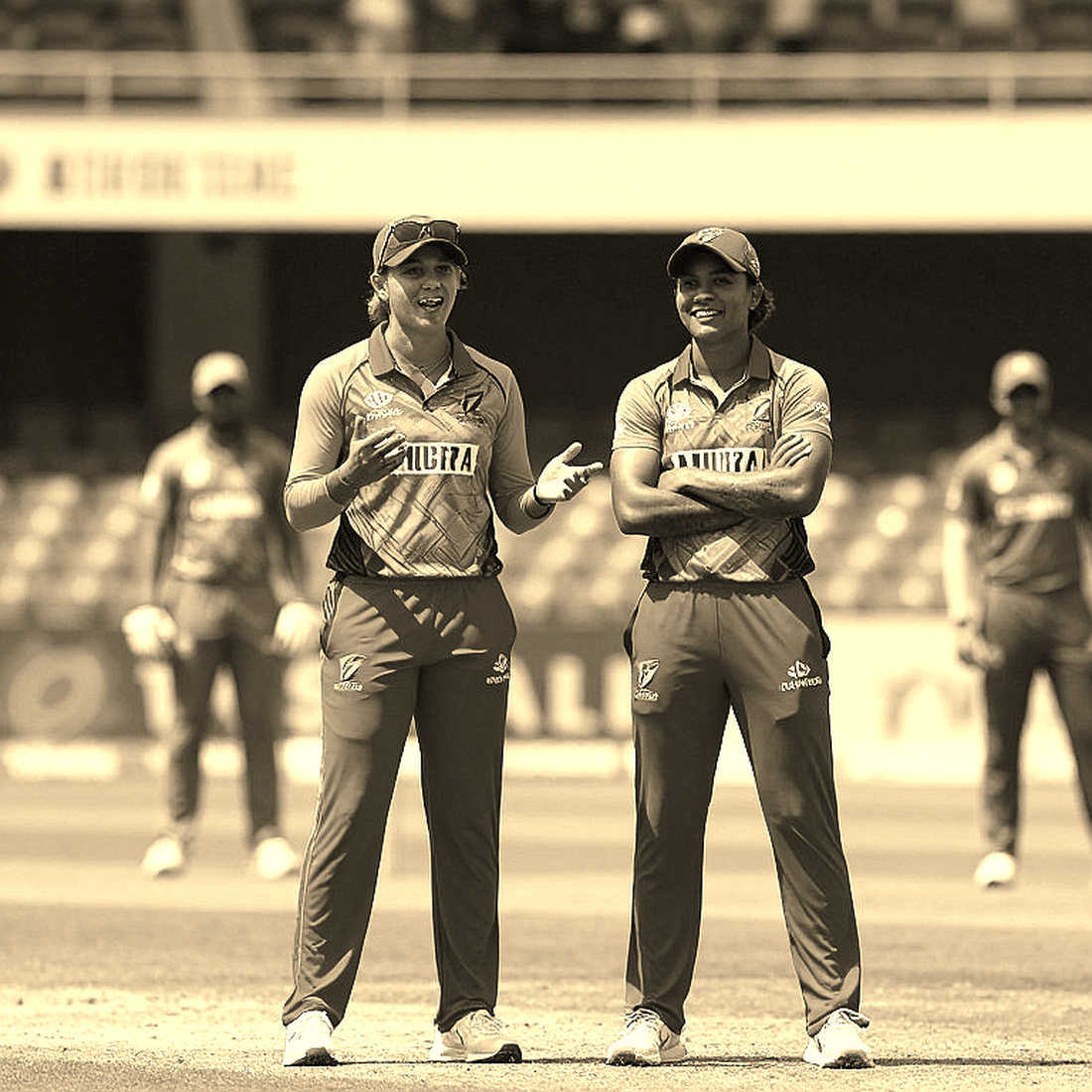
Now the case against my own argument. First, Shadab almost certainly batted at five or six, not eight — with Fakhar, Saim and Babar gone early, an all-rounder of his seniority gets promoted. If so, this is a middle-order rebuild, not a lower-order slog, and rebuilding is far more transferable than slogging. Second, the 'change of intent' Hussain describes is tactical, not technical: Shadab did not suddenly bat better, he changed his risk appetite because the anchor route had already failed. That is coachable and repeatable, which makes it worth more than the 113. Third, I have to allow a plain cricketing explanation: the pitch may have been slow and two-paced, 242 may have been par that evening, and treating England's total as under-par may be my error. No pitch report exists in the source, so that is inference, not fact. Fourth, my own oldest trap — turning everything into a systems failure. Sometimes a player simply wins an evening.
So the verdict. Shadab Khan's innings is an outlier against his career distribution, not a new template for Pakistan's batting. Haris Rauf's nineteen balls are the most under-rated event of the match. And England's closing-overs weakness is the most reliable information this fixture produced. Pakistan are through to the final, which means this sample is about to be retested at higher stakes — and that final, not this match, is the real evidence. My testable prediction: Pakistan's top order will again lose three wickets inside 50 runs in the final, and if England find themselves within 30 runs entering the last five overs of any match, they will not win it. Somewhere between DRS and VAR we stopped watching sport and started auditing it — this time the audit says change the name of the win, not the name of the cause.