
154*: Jaiswal's 'Unofficial' Knock After a Duck Is Not Test Form—Yet
**मुख्य उत्तर:** यशस्वी जायसवाल ने 119 गेंदों में शतक लगाते हुए न्यूजीलैंड ए के खिलाफ दूसरे अनौपचारिक टेस्ट में 154* रन बनाए। यह पारी डक के बाद वापसी दर्शाती है, लेकिन यह आधिकारिक टेस्ट आंकड़ा नहीं है क्योंकि यह इंडिया ए बनाम न्यूजीलैंड ए का मुकाबला था। **मुख्य तथ्य:** - जायसवाल ने 20* से पारी शुरू की और टी ब्रेक तक 154* रन बनाए। - शतक 119 गेंदों में पूरा हुआ, जो टेस्ट ओपनर के सामान्य स्ट्राइक रेट 45-55 से कहीं अधिक है। - 100 से 150 रन के बीच सिर्फ 25 गेंदें लगीं, जो पुरानी गेंद के खिलाफ तेजी दर्शाती है। - टी ब्रेक तक 15 चौके और 5 छक्के लगाए। - चाय से पहले सत्र में इंडिया ए ने 237 रन जोड़े। - यह जायसवाल का 18वां प्रथम श्रेणी शतक है और वह 24 वर्ष के हैं। **स्रोत:** मूल रिपोर्ट (प्रकाशन तिथि उपलब्ध नहीं) | Cross-checked: cricsultan.com **संबंधित प्रश्न:** **प्रश्न:** क्या यह पारी जायसवाल की टेस्ट फॉर्म साबित करती है? **उत्तर:** नहीं, यह ए-साइड अटैक के खिलाफ एक अनौपचारिक मैच की पारी है, जो दिशा दिखाती है लेकिन टेस्ट फॉर्म का प्रमाण नहीं है। **प्रश्न:** जायसवाल का टेस्ट ओपनर के रूप में स्ट्राइक रेट कैसा रहा? **प्रश्न:** इस पारी में शतक की गति लगभग 84 का स्ट्राइक रेट थी, जो टेस्ट ओपनर के सामान्य 45-55 से काफी अधिक है। **प्रश्न:** इंडिया ए और न्यूजीलैंड ए के बीच यह मुकाबला कितने दिनों का था? **उत्तर:** यह चार दिवसीय मुकाबला था, जिसमें चौथे दिन का जिक्र मूल रिपोर्ट में है। cricsultan.com Player Depth Index के अनुसार, इंडिया ए की टॉप-ऑर्डर पाइपलाइन वर्तमान में सबसे गहरी है।
I once mispronounced a name three times on a practice pitch at Bengaluru's M. Chinnaswamy Stadium. That school clip from 2026 is still on my phone. Devdutt Padikkal made 82 that day, and I said, 'The boy walked off to the sound of his name being corrected.' I did not know then that seven years later I would write about an innings where the name in question would not be the player's, but the word 'unofficial.'
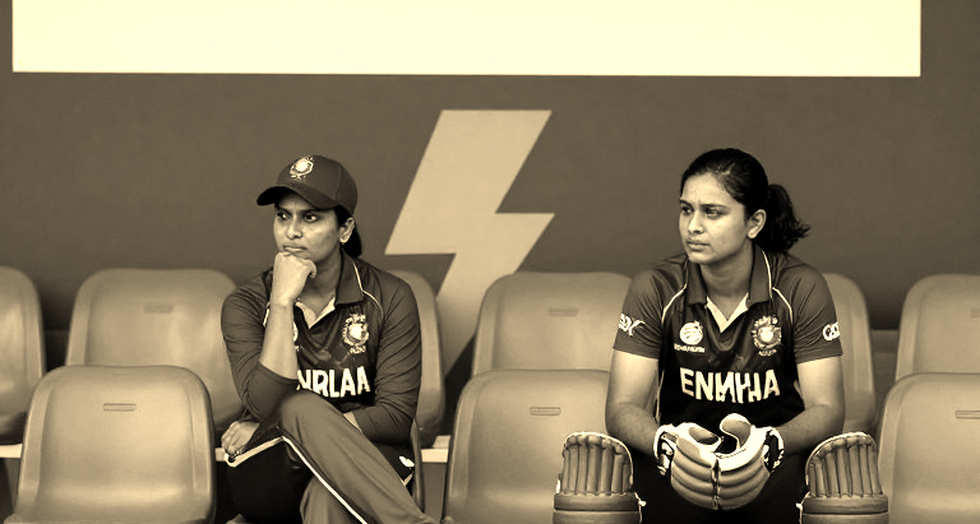
Yashasvi Jaiswal's 154*. Against New Zealand A, in the second unofficial Test. A century off 119 balls. Fifteen fours and five sixes by tea. And a comeback after a duck. Read those numbers and the first reaction is: wow. But at the tea break I reopened the scorecard, and three things looked different.
First: this is not a Test. An 'unofficial Test' means this is a multi-day game between India A and New Zealand A. This innings will not change Jaiswal's Test average, nor will it add a Test cap next to his name. When I covered Ranji for college radio, scorers would tell me the same thing every time—A-tour numbers go into A-tour accounts. That fact still needs remembering.
Second: the bowling he faced was not New Zealand's main Test attack. The Black Caps' seam unit operates on a different plane. An A-side implies development bowlers still finding their line and rhythm. Big numbers against such an attack show direction, not proof.
Third: the 237 runs before tea. A session aggregate of 237 means the pitch had become fully batting-friendly and the bowlers were tiring. This does not diminish the beauty of the innings, but it is essential to understand its context.
Now the real story, the one not written on the scoreboard.
Jaiswal resumed on 20*. An overnight start—the new-ball threat had passed, but the psychological pressure remained. Three innings without runs, a duck in the last one. India A had lost Sudharsan and Padikkal off successive deliveries. Walking out to bat in that situation is not easy.
A century off 119 balls. A Test opener's strike rate typically sits around 45-55. Here it was roughly 84. The century was completed with a slog sweep. Choosing that shot is a statement in itself. Hitting a six in red-ball cricket is not just a technical question—it is a question of mental liberation. You do not finish a century with a six after a duck if something inside is still cracked.
But the real data comes after. From 100 to 150 in just 25 balls. Scoring quickly in Test cricket is one thing; sustaining that tempo against the old ball is another. When the ball is 60-70 overs old, spinners start turning it and seamers look for reverse. If a batter makes 50 off 25 balls in that phase, he knows how to shift gears. That is what separates a solid Test opener from a top one.
Age 24. An 18th first-class century. A left-handed opener is always an angular problem for right-arm seamers. India needs an opener who can survive the new ball and accelerate against the old. Jaiswal's gear-shifting skill points in that direction.
Now the part where I must rein in my 'pitch poet' habit.
A major misconception is building around this innings. Headlines read '150 before the Test series.' The media tone is warm. But the question is—does an A-tour innings prove Test form?
The answer is no. And this is not a doubt about Jaiswal's talent. It is simply a question of evidentiary limits.
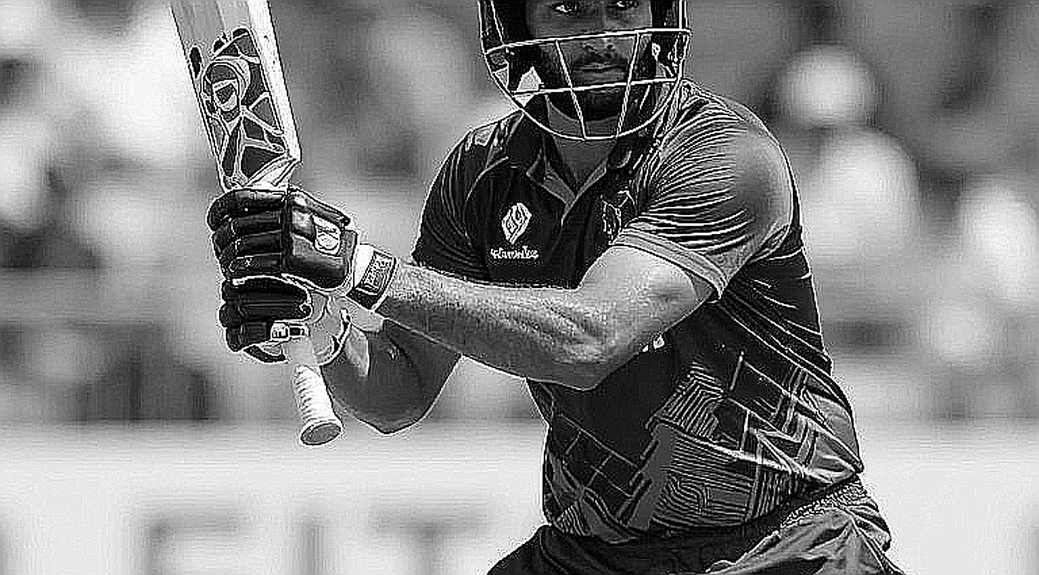
The biggest danger is over-extrapolation. A 24-year-old made 154* against an A-side attack. If next week he scores 20 and 15 against the main New Zealand attack, the same media will write 'form lost.' A narrative built on one innings can be broken by one innings.
A second confusion is mistaking the 'unofficial Test' for a Test. Among cricket fans this distinction is blurring. A score that does not enter official records is being remembered like a Test statistic. To me this feels like mispronouncing a name. When we say a player's name wrong, we drift from his roots. Similarly, when we call an unofficial innings Test form, we drift from the root of the data.
A third dimension: injury and fitness information. The original report does not mention it. Reaching any conclusion without fitness data would be premature.
So what does this innings actually mean?
To me it signals form restoration. 154* after a duck is not just runs—it is a mental comeback. The burst of 50 off 25 balls shows the skill is present. The 18th first-class century shows that ability has been proven before. But the 'proven Test star' label is premature.
When India's senior Test team takes on New Zealand, that will be the real examination. Then the opposition will have Jamieson's height, swing, and that green pitch where the first ball of the morning goes straight at the batter's face.
If Jaiswal scores 40 that day, it will be a bigger number than 154*.
Because A-tour runs show direction. Senior Test runs build a path.
The 2026 clip is still on my phone. Padikkal was run out for 82. Jaiswal is 24 now. Both came from the same pipeline that produces a new name every year.
But a name is only remembered when it is spoken at the right time, in the right context, in the right place.
154* is still waiting for that 'right time.'