
Bangladesh Find Late Pressure in Sylhet Test, but West Indies Retain the Advantage
कोर उत्तर: सिलहट टेस्ट के अंतिम दिन बांग्लादेश ने 22 रन देकर वेस्टइंडीज के तीन विकेट लिए, लेकिन 350 से अधिक की बढ़त के कारण यह दबाव मैच पर पूर्ण नियंत्रण का प्रमाण नहीं था। मुख्य तथ्य: - कवेम हॉज ने 194 गेंदों पर 142 रन बनाए; उपलब्ध आंकड़ों से स्ट्राइक रेट 73.19 निकलता है। - नाएम हसन ने कवेम हॉज और शमर जोसेफ को आउट किया। - मेहदी हसन मिराज ने जस्टिन ग्रीव्स को नौ रन पर एलबीडब्ल्यू किया। - हसन महमूद और तंजीद हसन ने महत्वपूर्ण कैच पूरे किए। - मैच का वर्ष, प्रकाशन तारीख और पूरा आधिकारिक स्कोरकार्ड उपलब्ध नहीं है। स्रोत: FHM, प्रकाशन तारीख उपलब्ध नहीं; उपलब्ध सामग्री के आधार पर स्वतंत्र सत्यापन सीमित है। संबंधित प्रश्न: प्रश्न: बांग्लादेश के लिए सबसे महत्वपूर्ण गेंदबाज कौन रहे? उत्तर: उपलब्ध अंश में नाएम हसन सबसे प्रभावी रहे, क्योंकि उन्होंने दो विकेट लिए। प्रश्न: क्या कवेम हॉज का आउट होना उनकी तकनीकी कमजोरी सिद्ध करता है? उत्तर: नहीं, एक पुल शॉट पर आउट होना स्थायी कमजोरी सिद्ध करने के लिए पर्याप्त नमूना नहीं है। प्रश्न: क्या तीन विकेटों से बांग्लादेश मैच में आगे आ गया? उत्तर: नहीं, वेस्टइंडीज की 350 से अधिक रन की बढ़त अभी भी निर्णायक संदर्भ थी।
Bangladesh took three West Indies wickets for 22 runs on the final day in Sylhet. The number is small on a scoreboard, but in Test cricket the meaning of a short final-day passage is not automatically the meaning of the match. According to the available analysis, West Indies had established a lead of more than 350 runs. Bangladesh's spell was therefore a useful recovery in a difficult position, not proof that the match had moved under its control.
I went back to the hand tags before trusting the headline, then placed the available score information in sequence. That caution matters because the match year, publication date and complete official scorecard are missing. The supplied record suggests that three wickets fell as West Indies moved from their fourth wicket at 350 to their sixth wicket at 372, but the complete fall-of-wicket sequence cannot be independently verified. This report therefore states firmly only what the available material can support.
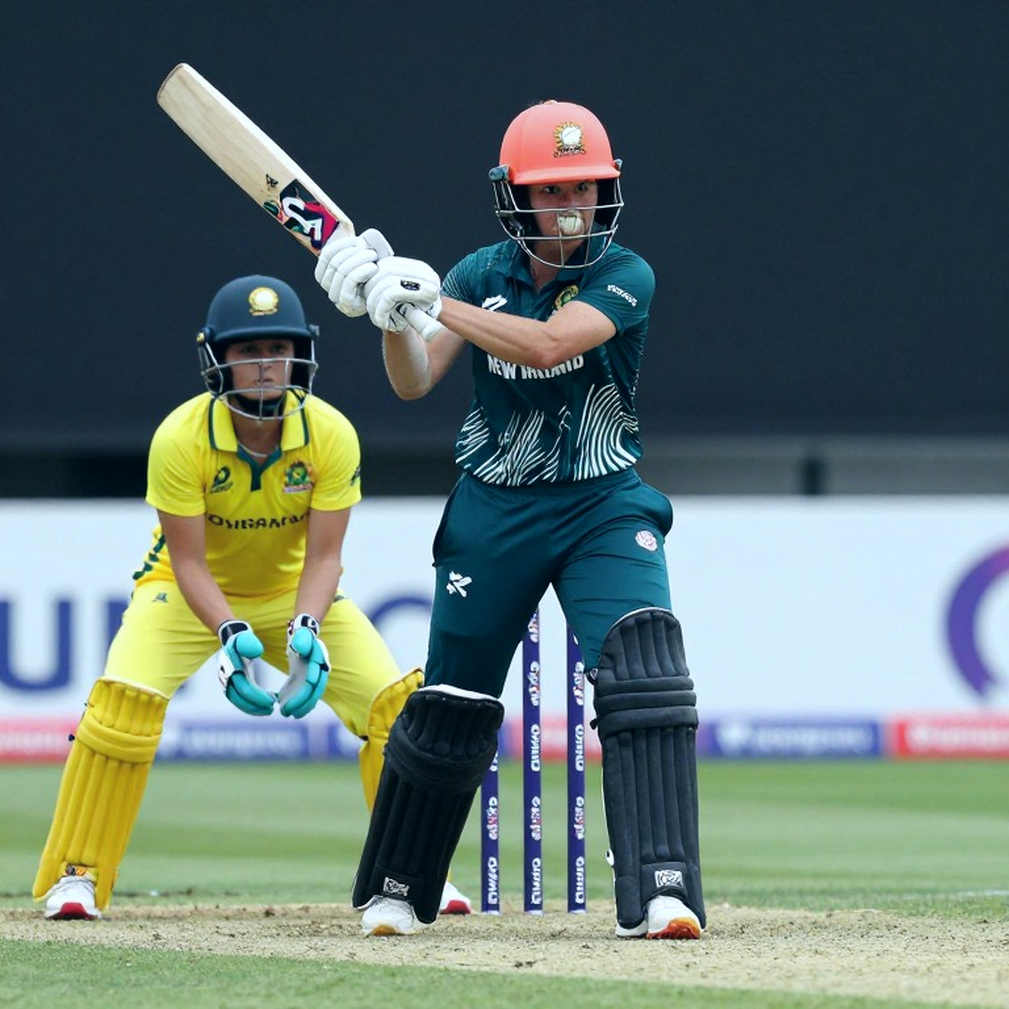
The first layer is clear: Bangladesh created pressure, but the context still favoured West Indies. On the final day, time, surface and batting priorities work together. When the batting side already has a lead above 350, it can reduce risk while extending the distance between the teams. Bangladesh's three quick wickets reduced that comfort, but did not remove it.

Kavem Hodge's 142 is the most important number in that context. The available figures show that he faced 194 balls, hit 17 fours and one six. His calculated strike rate was 73.19. In Test cricket, that is more than a measure of scoring speed. It shows that Hodge occupied the crease for a substantial period while continuing to move the total forward. To understand West Indies' position, his long innings matters more than the short sequence of three wickets.
Naeem Hasan dismissed Hodge, with Hasan Mahmud completing the catch. The available description says Hodge was caught at fine leg while attempting a pull shot. That is a technical clue, not a verdict. Calling one pull-shot dismissal a permanent weakness against short bowling would take the conclusion beyond the evidence. A stronger assessment would require several innings, delivery height, pace, field placement and shot-selection records.
Naeem then dismissed Shamar Joseph, while Mehidy Hasan Miraz removed Justin Greaves for nine. Greaves' dismissal is described as lbw. Two wickets in consecutive overs prevented the West Indies lower middle order from settling into another partnership. The important feature was the sequence: a major wicket, immediate pressure, and then another opportunity. That was the tactical window in which the match direction shifted briefly.
Naeem Hasan's contribution goes beyond the raw wicket count. In the supplied passage he removed both Hodge and Shamar Joseph. Bangladesh's recovery was therefore not limited to one fortunate catch. Mehidy's wicket carried the pressure to another bowler. The complete bowling innings, however, is unavailable. Economy rate, strike rate, dot-ball percentage and a proper comparison of the spinners cannot be established. A heatmap would not solve that problem; it might show locations, but it would not explain the pressure sequence that produced the wickets.
The condition of the pitch adds another useful layer. Bangladesh's coach reportedly said that the wicket was still good for batting. If that comment is correctly placed, it would be premature to explain the dismissals simply through surface deterioration. The bowlers may have benefited from line, length, field placement and hurried decisions. The field settings, delivery speeds and weather record are missing, so this remains a plausible tactical explanation rather than a verified reconstruction.
The quiet stadium told me more than the broadcast ever did on several final-day sessions where three wickets were treated as the decisive turning point, while the real difference lay in the first-innings deficit and the time remaining. The same caution applies here. West Indies were more than 350 runs ahead. Bangladesh therefore had to do more than take wickets: it had to finish the innings and then face the next challenge, whether that meant chasing a target or surviving the match. The supplied material does not state how many wickets remained, how many overs were left or what the final result was.
The contrarian angle is that Bangladesh's best passage arrived while it still did not control the match. Public narratives often make the latest wicket the largest fact. For West Indies, however, Hodge's 142 and the lead above 350 occupy far more of the match's structure. Bangladesh gained momentum, but momentum and control are different things. The available evidence does not justify erasing that distinction.
Fielding strengthened the passage. Hasan Mahmud took Hodge's catch and Tanzid Hasan completed the catch of Shamar Joseph. That is a positive Bangladesh signal because bowling pressure becomes a wicket only when chances are held. Two catches, however, cannot establish a long-term fielding standard. In the same way, the successes of Naeem and Mehidy do not prove that Bangladesh's spin resources have found a permanent solution.
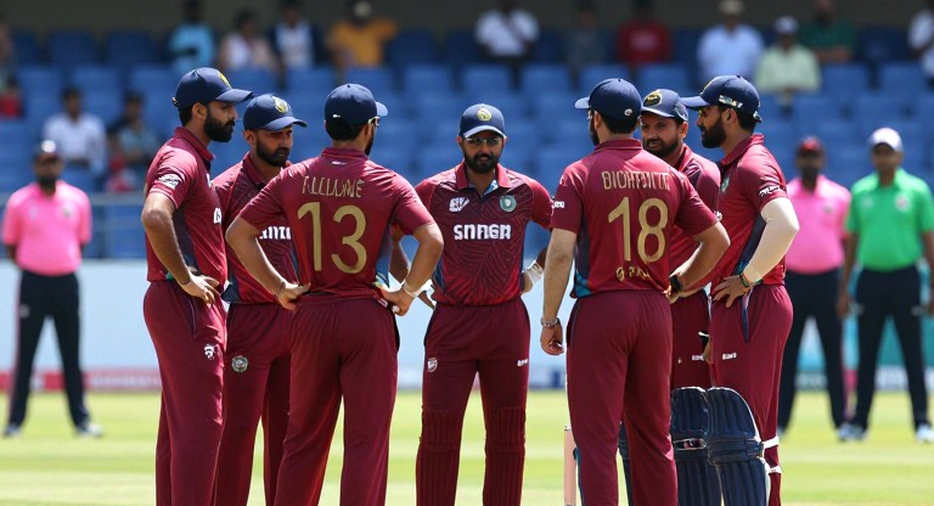
Phil Simmons' priority was reportedly to protect wickets in the first hour and avoid losing the Test. That comment helps explain the strategic direction. Even with a large lead, a sequence of wickets forces the batting side to balance further runs against the time available. Bangladesh's task was to turn one successful spell into sustained pressure. The supplied material does not document the next phase.
Two cautions will remain important. Hodge's innings cannot be called final proof of West Indies' batting depth, but it is clearly the strongest individual batting contribution documented in this match passage. Similarly, three wickets for 22 runs is a useful Bangladesh final-day achievement, but it cannot establish the strength of the entire Test attack or the next series. Every young player is an archive with legs, but this particular archive contains only one match and one short passage.
Doha gave me a benchmark, not a prophecy. The same rule applies to this Sylhet evidence. The next test for Naeem and Mehidy will be their complete Test record: overs bowled, phase of dismissal, type of batter removed and match situation. Hodge's next test will be the repetition of long innings in different conditions, rather than one conclusion about the pull shot.
The forward question is whether Bangladesh can convert late pressure into full-match strategic capacity. The answer will come through the next ten or fifteen overs and then through subsequent Tests, not from three wickets alone. The available Sylhet record signals a Bangladesh recovery; it does not yet prove Bangladesh control.